CLIMate – Adaptive Retrofitting Technology for Urban Pavement resilience (CLIMART – UP)
Transforming the way cities respond to climate challenges by retrofitting existing pavements into multifunctional, resilient surfaces
#UrbanPavements #ClimateAction #ClimateResilience #ResilientCities #SustainableCities #SmartCities #UrbanSustainability #GreenInfrastructure #InfrastructureInnovation #GRIC
About CLIMART-UP project
CLIMate-Adaptive Retrofitting Technology for Urban Pavement resilience (CLIMART-UP)
Funded by the Ministerio de Ciencia, Innovación y Universidades, CLIMART-UP is pioneering new ways to help cities adapt to climate change — starting from the ground up.
Funding: Grant PID2024-160350OB-I00, by MCIU/AEI/10.13039/501100011033
Duration: 36 months — from 2025-09-01 to 2028-08-31
Research Significance
Adaptive and sustainable urban design is more urgent than ever

Extreme rainfall events are becoming increasingly frequent, yet urban landscapes dominated by impervious surfaces prevent groundwater recharge and exacerbate polluted runoff. This leads to severe urban flooding that threatens public safety, damages ecosystems, and imposes significant economic costs.

At the same time, traditional pavements like asphalt worsen the urban heat island (UHI) effect by absorbing and retaining heat. This not only increases buildings cooling energy demands but also heightens risks of heat-related illnesses and mortality.
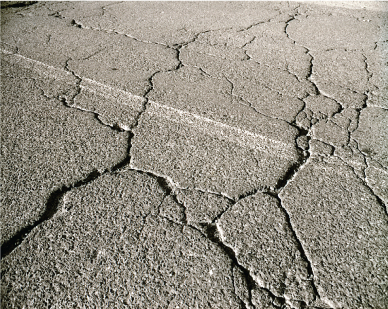
Furthermore, much of the existing urban infrastructure, particularly pavements, is ill-equipped to withstand the prolonged pressures of global climate change, resulting in higher maintenance costs, shorter lifespans, and cascading failures during extreme events.
Pavement-based strategies (PBS), which fall under the jurisdiction of urban planning authorities, offer an untapped potential (as they cover vast portions of cities—i.e. over 18% of Barcelona’s metropolitan area and nearly two-thirds of its public spaces) for scalable, practical, and impactful alternative. When reimagined as multifunctional assets, these surfaces can transition from contributors to climate problems into key tools for resilience and sustainability. Current PBS, such as reflective or “cool” pavements and permeable pavements, address the urban heat island (UHI) effect and urban flooding but face unresolved challenges, including sediment clogging, limited durability, and prohibitive costs of full-scale replacement of existing impervious infrastructure. Consequently, innovative approaches to retrofitting existing pavements offer a more sustainable path forward, enhancing urban resilience without requiring extensive and costly replacements.
General Objectives of CLIMART-UP
Revolutionize urban pavements in Mediterranean cities
CLIMART-UP reimagines the role of pavements in tomorrow’s cities. By combining cutting-edge materials and digital intelligence, the project seeks to transform existing urban pavement into multifunctional, climate-adaptive surfaces that can:
Enhance urban resilience against increasing flooding and intensifying heat waves

Mitigate climate and energy impacts through reflective, low-carbon technologies

Extend pavement lifespan with smart maintenance and sustainable materials

Improve livability by creating cooler, safer, and more sustainable urban spaces
To address these challenges the CLIMART-UP project is built around two main pillars:
Retrofitting Existing Pavements to be Climate-Change Ready
This strategy regenerates existing pavement infrastructure, enabling it to actively contribute to urban climate resilience while significantly extending the infrastructure’s lifespan reducing costs and environmental impact. The retrofitting approach includes:
1- Activating the permeability of existing pavements through precision-engineered perforations to allow water infiltration, reducing runoff and enhancing groundwater recharge.
2- Overlaying perforated pavements with a ultra-thin multifunctional concrete whitetopping that is a high-strength, reflective, permeable, non-clogging and with low carbon footprint layer. This innovative layer integrates seamlessly with existing pavements, enhancing resilience against urban flooding and the UHI effect.
Developing a Pavement Low-LoD
Digital Twin Tool.
This complementary tool optimizes pavement management and retrofitting decisions by:
1- Prioritizing retrofitting investments, identifying the most prioritary pavements for intervention based on climate vulnerability and other critical factors.
2- Supporting efficient pavement management through an AI-driven clogging maintenance models to sustain long-term performance and reduce operational costs.
CLIMART-UP directly addresses urgent challenges
the project offers a transformative approach to urban pavements, targeting four key areas
The CLIMART-UP project directly addresses the urgent challenges highlighted in the IPCC’s Sixth Assessment Report (AR6), which underscores the increasing frequency and severity of extreme events, such as heatwaves and rainfall-induced flooding, placing unprecedented strain on urban systems. Urban heat islands (UHIs), exacerbated by impervious surfaces, intensify extreme heat risks, while heavy rainfall overwhelms inadequate drainage systems, leading to catastrophic flooding. These interconnected issues necessitate innovative urban solutions that align with the Energy and Mobility thematic priority of the Plan Estatal de Investigación Científica, Técnica y de Innovación (PEICTI) 2024–2027, particularly in the areas of on sustainable construction, energy efficiency, ecological infrastructure, and urban planning.
Urban Heat Island (UHI) Mitigation and Improved Urban Comfort: UHIs cause urban temperatures to rise 1°C to 3°C during the day and up to 10°C at night compared to rural areas. This intensifies extreme heat risks, as evidenced by the 47,690 heat-related deaths across Europe in 2023, including 8,352 deaths in Spain, disproportionately affecting vulnerable populations like elderly women [8]. CLIMART-UP proposes an innovative pavement retrofitting strategy that reduces surface and ambient temperatures, directly mitigating UHI effects while improving thermal comfort in urban areas.
Reduction in Building Energy Demands: Rising urban temperatures significantly increase cooling energy demands. Global energy consumption for air conditioning has tripled since 1990, with cities like Los Angeles reporting a 20–30% rise in electricity use during summer months [9]. This leads to higher emissions of CO₂, sulfur dioxide (SO₂), and nitrogen oxides (NOₓ), worsening urban air quality and the greenhouse effect. CLIMART-UP’s permeable and reflective pavement designs reduce localized heat absorption and radiative heat transfer, lowering ambient temperatures, cutting energy demands for cooling, and indirectly contributing to improved air quality.
Urban Flooding Adaptation: Europe faces an alarming increase in extreme rainfall events. The 2024 Valencia floods, for instance, saw 771 liters of rainfall per square meter in 24 hours, resulting in 220 deaths and widespread infrastructure damage [10]. CLIMART-UP retrofits pavements to absorb and manage stormwater through precision-engineered perforations and clogging-resistant permeable overlays, significantly reducing runoff and improving urban resilience to extreme rainfall.
Pavement Longevity and Circular Retrofitting Approaches: Fully replacing the extensive network of impervious pavements is financially and environmentally unsustainable. CLIMART-UP adopts a circular retrofitting approach, regenerating existing pavements with innovative permeability solutions. This strategy extends pavement lifespans, minimizes maintenance needs, and avoids the resource-intensive costs of complete replacement.
The Team
More than an engineering challenge, CLIMART-UP is a vision for smarter, climate-ready cities. By redefining pavements as active climate solutions, the CLIMART-UP team is turning everyday infrastructure into a driver of sustainability, resilience, and comfort for citizens.

Pablo Pujadas Álvarez

Francesc Pardo-Bosch

Rubén-Daniel López
Judith Ramirez Casas